
How to Search Criminal Dockets
Greene County splits its criminal docket work by court and by place. Felony cases in Common Pleas have one home. The Greene County Clerk of Courts Legal Division posts entries through the CourtView 2000 portal. That is the public starting point for felony records. A misdemeanor or traffic ticket goes elsewhere. The municipal court serving the area named on the citation or complaint keeps those cases and any early felony matter. Fairborn runs its own Search Court Records form for Fairborn and Beavercreek territory. Xenia Municipal covers Xenia, Bellbrook, Yellow Springs, and its listed area through its official court hub.
CourtView takes a party-name search or a case-number search, never both together. Its example format is YYYY TT SSSS. The criminal type code appears as something like CR. Pick one mode, clear the other, finish the CAPTCHA, and the entries display in chronological order. The portal generally reflects filings through the prior business day. Confirm anything brand new with the clerk.
- Identify whether the matter is a Common Pleas felony case or a municipal criminal case.
- Use CourtView for the Common Pleas docket, or the proper Fairborn or Xenia municipal channel for a local case.
- Search by the available name or by the court's case number, following the portal's format rules.
- Open the matching docket and review the latest dated entry, hearing, filing, and disposition language.
- Ask the owning clerk for inspection, a copy, or certification when the actual order is needed.
Note: A missing online result can reflect venue, timing, a pre-1982 record, or an access restriction rather than the absence of a case.
Greene County Felony and Misdemeanor Dockets
A felony docket has a clear start. It opens at the Greene County Court of Common Pleas, General Division once the case reaches that court. The Legal Division keeps the felony docket. The CourtView index sits there too. Fairborn Municipal and Xenia Municipal each manage misdemeanor dockets inside their own territory. Both may also show the preliminary stage of a felony. So one case can leave a municipal record behind. It may then take on a separate Common Pleas record after indictment. Check both paths on their own when early activity matters.
| Court path | Criminal docket focus | Where to start |
|---|---|---|
| Common Pleas General Division | Felonies and later Common Pleas proceedings | CourtView and the Legal Division |
| Fairborn Municipal Court | Misdemeanors and preliminary felony hearings in Fairborn and Beavercreek territory | Fairborn public search or clerk |
| Xenia Municipal Court | Misdemeanors and preliminary felony hearings in Xenia, Bellbrook, Yellow Springs, and listed territory | Xenia public-access channel or clerk |
Venue comes before any broad county search. A Beavercreek criminal citation routes to Fairborn Municipal Court. A Bellbrook misdemeanor goes to Xenia Municipal Court instead. That local split is why no statewide Ohio trial-court search can stand in for the court actually holding the docket.
What a Criminal Docket Shows
Think of a Greene County criminal docket as a clerk-kept timeline. It is not a full case file online. CourtView's confirmed examples are few. They include service, a motion, and the next hearing. Fairborn's daily calendar adds a time, case type, setting label, charge statute or description, prosecutor, judge, and participant or attorney fields. Fields vary by court. A blank field is not a legal conclusion of any kind.
| Case number | Common Pleas uses the year, type, and sequence pattern, such as 2024 CR 0001. |
|---|---|
| Events | Service, motions, settings, and other chronological docket entries show what happened and when. |
| Hearing information | CourtView identifies a next hearing; Fairborn calendar rows can show a setting label, time, and judge. |
| Charge information | Fairborn's calendar displays a statute number and short charge description; CourtView's full field layout was not confirmed. |
| Documents and result | Common Pleas public document images are not online. Read the signed entry or certified copy for the exact result. |
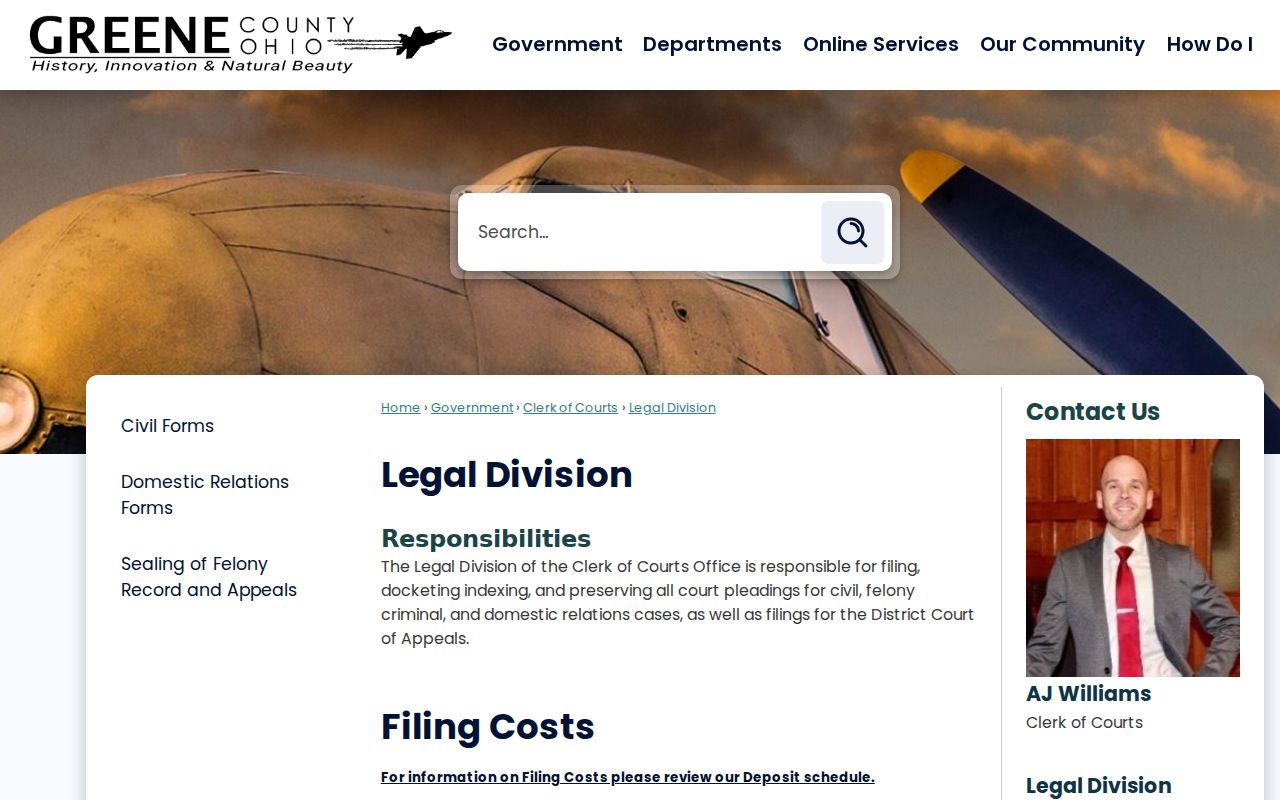
The Legal Division information page draws the line between searchable docket entries and public document access. Copies and certification remain clerk functions there.
The practical rule is simple: use the online entry list to find case activity, then ask the clerk's office for the document behind an entry.
Greene County Criminal Case Numbers
CourtView's public notice sets one clear rule for a Greene County criminal docket search. Use name mode or case-number mode. A case number follows the year, type, and sequence pattern. One example is 2012 CR 0111. Enter a last name? The first-name field then needs at least one character. Businesses are searched through the Company Name field rather than Last Name.
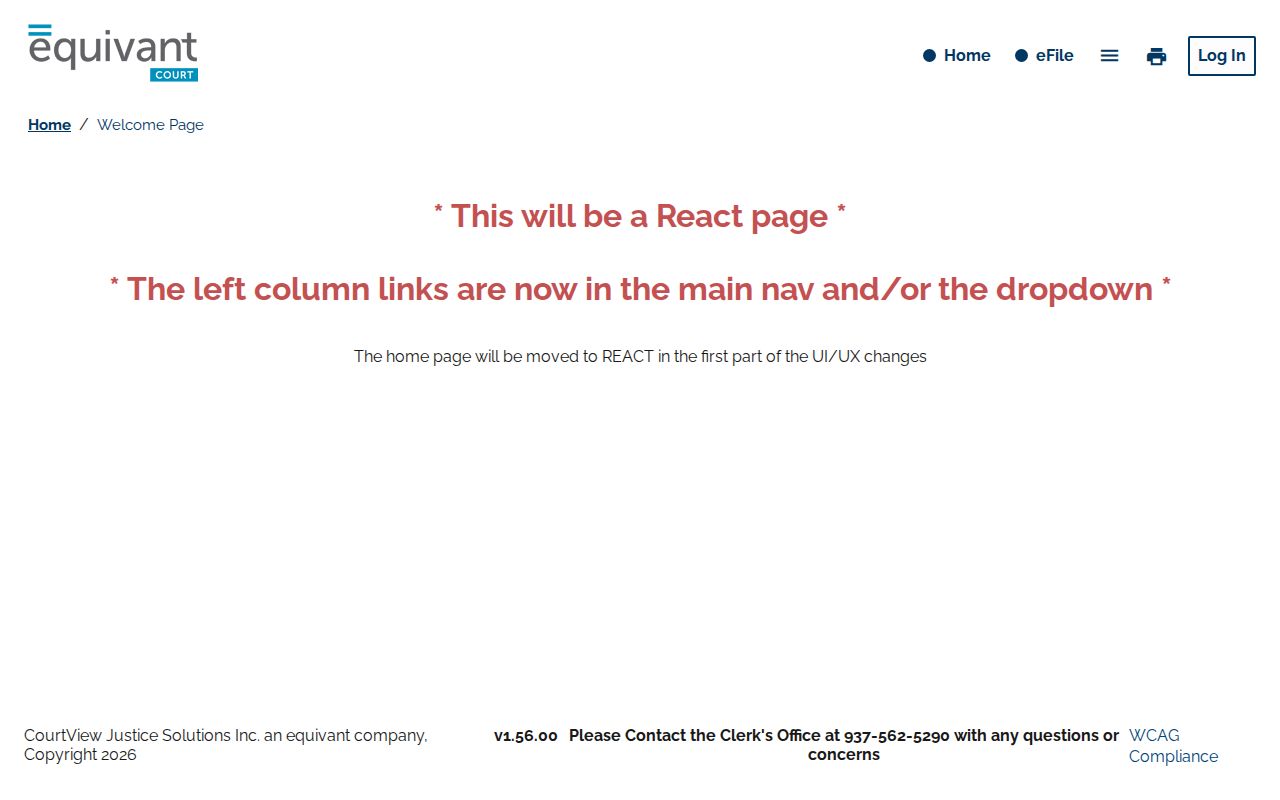
The Greene CourtView search interface shows the official page. It sits behind this step of the criminal docket process. CAPTCHA access and the name-or-number rule are deliberate portal controls. Trying to combine both modes can block a useful result.
Once the right case opens, check the most recent entry and its date first. If a setting is time-sensitive, confirm it with the court.
Greene County Criminal Service Entries
For a service question, CourtView points you to the docket itself. A docket entry can show a completed service event in the court's record. Postal tracking offers no proof-of-service check for the court. Read the entry alongside later ones. Ask the clerk for the underlying order when you need it.
Stages on a Criminal Docket
Criminal entries in Greene County can trace a case from its start. The path runs from complaint, citation, or municipal preliminary stage up through Grand Jury indictment where applicable. From there the docket records the usual steps. Those include arraignment and plea activity, motions or service filings, pretrial settings, a continuance or trial setting, disposition, and sentencing or another order. An appeal is different. It becomes a separate appellate matter, not another label on the trial docket.
Docket flow: Filing or preliminary stage › Indictment where applicable › Arraignment › Pretrial › Plea or trial › Disposition › Sentencing or order.
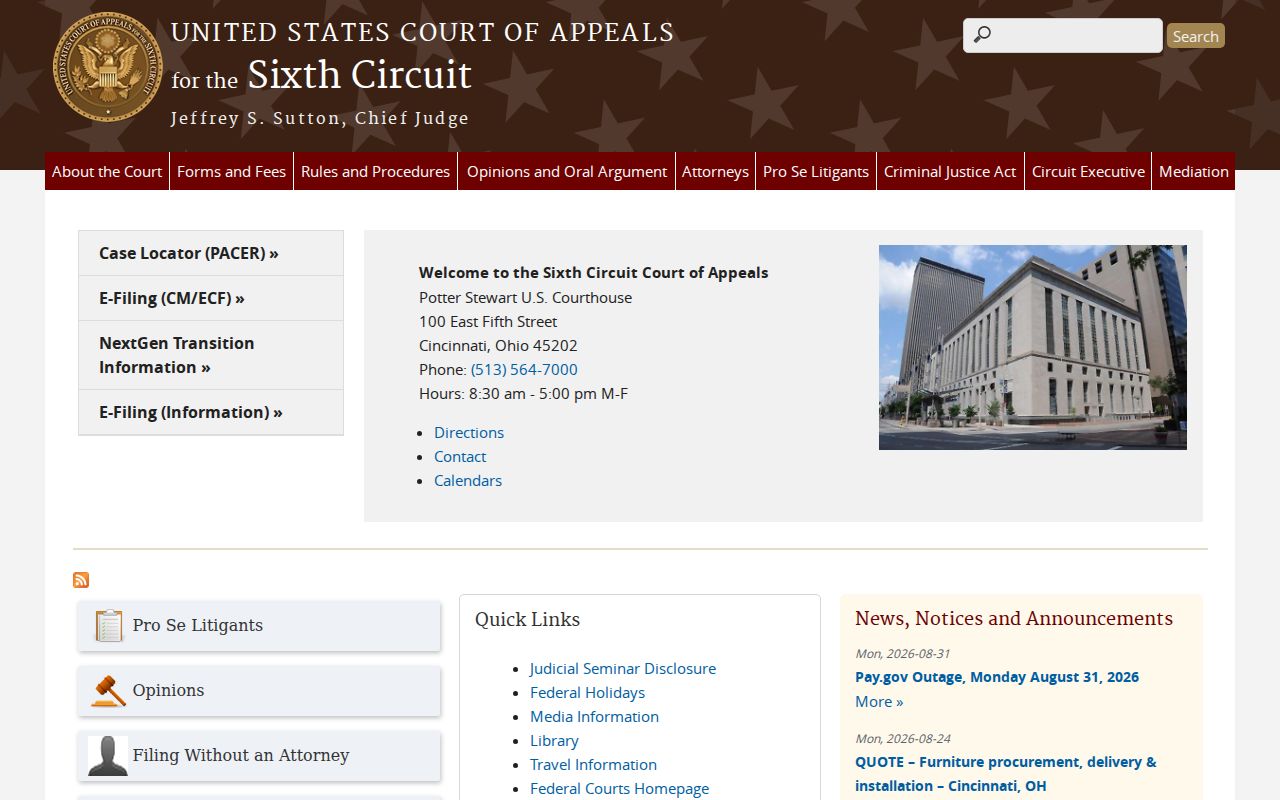
The Sixth Circuit Court of Appeals homepage is the federal appellate court whose record ties to Greene County criminal dockets at the appeal stage. It marks the line between an Ohio trial-court docket and a federal appellate record kept on its own system.
A disposition line by itself is not the whole story. When the final wording matters, ask the clerk for the signed judgment entry, since that filing controls.
Greene County Criminal Calendar Codes
Fairborn Municipal Court tags each setting on its daily criminal calendar with a short label. The labels tell you what kind of appearance the row lists. They mark calendar events, though, not settled legal outcomes. To use the court's daily docket, pick a date and docket type, open the calendar, and then check later case activity whenever a setting may have changed.
- ARR
- Arraignment, an early setting where the charge and plea process are addressed.
- DIS
- Disposition, a setting label that signals resolution or court action but still requires the full entry or order for detail.
- ZOO
- Zoom disposition, a Fairborn calendar label for a remote disposition setting.
- TA
- Traffic Intervention Program approved, a local calendar label whose terms come from the court.
These labels help you follow a court date. Even so, an old calendar row can linger in the file history after a continuance or a replacement setting appears.
Which Court Holds Criminal Dockets
Custody splits by court. The Greene County Clerk of Courts, Legal Division keeps the Common Pleas General felony dockets. Fairborn and Xenia municipal clerks hold their own misdemeanor and preliminary-felony records. Start with the right online channel for an active file. If that fails, go to the Legal Division counter for Common Pleas records. Or go to the municipal clerk for a municipal case. Phone lines help too. The Legal Division answers at (937) 562-5290. Fairborn takes (937) 754-3040, and Xenia takes (937) 376-7294.
Greene County Criminal Docket Requests
Older Common Pleas criminal research runs into a wall: CourtView's online coverage stops before 1982. For those older files, the Greene County Records Center and Archives is the historical channel. Its staff can point you to docket books or final records. The active clerk still handles current court-file requests. For a live Common Pleas record, the Legal Division allows a narrow public-record request through county channels. Inspection and a simple clerk contact also work. Always give the docket, entry, or certified copy request by case number and court division. That way the clerk can route it correctly. Municipal court records belong to Fairborn or Xenia, not the County Legal Division.
Greene County Criminal Dockets Lack Images
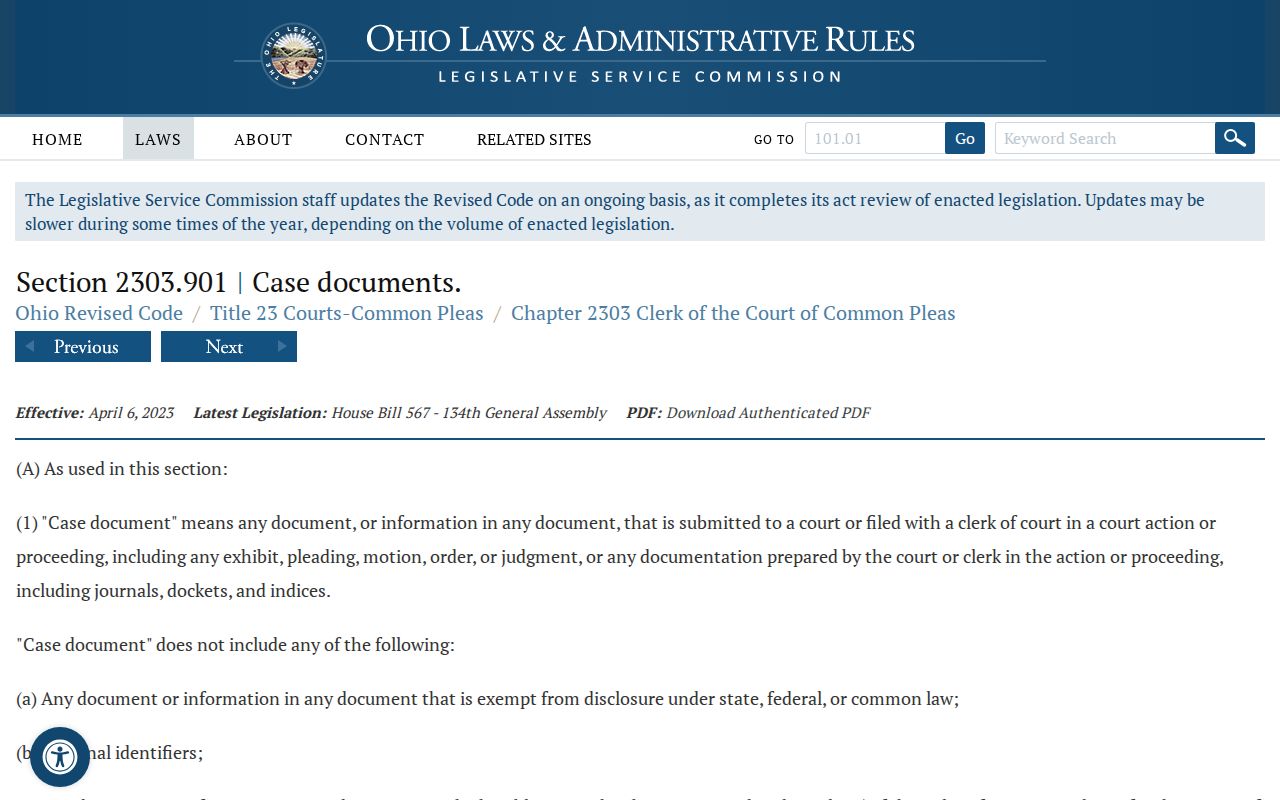
CourtView for Common Pleas posts docket information only, with no public document images. So a motion entry, a hearing date, or a disposition label can point you to a document. But it will not let you click and open it. Greene County keeps its public access split: the online index on one side. Inspection, ordinary copies, and certified copies sit at the clerk's office on the other. Ohio Revised Code 2303.901 governs the assigned case-document image. It states the rule that dockets, pleadings, orders, judgments, and indices all count as court case documents. Personal identifiers and restricted material stay excluded.
Keep the request tight. Name the case, point to the entry or document, and state whether you want inspection, a copy, or certification. Mailed copies need a self-addressed stamped envelope under Clerk policy.
Public Access and Sealed Criminal Dockets
Greene County public access follows Ohio court-record rules, but the rules bend. Personal identifiers may be redacted, and a sealing or expungement order can pull a criminal matter out of ordinary search results. For a certified copy, the custodian clerk, not a portal screen, is the source.
Key rules:
Ohio Sup.R. 44-47 establishes court-record access, redaction, and restriction procedures.
R.C. 2303.12 requires Common Pleas docket keeping and phased remote civil and criminal access, subject to stated exceptions.
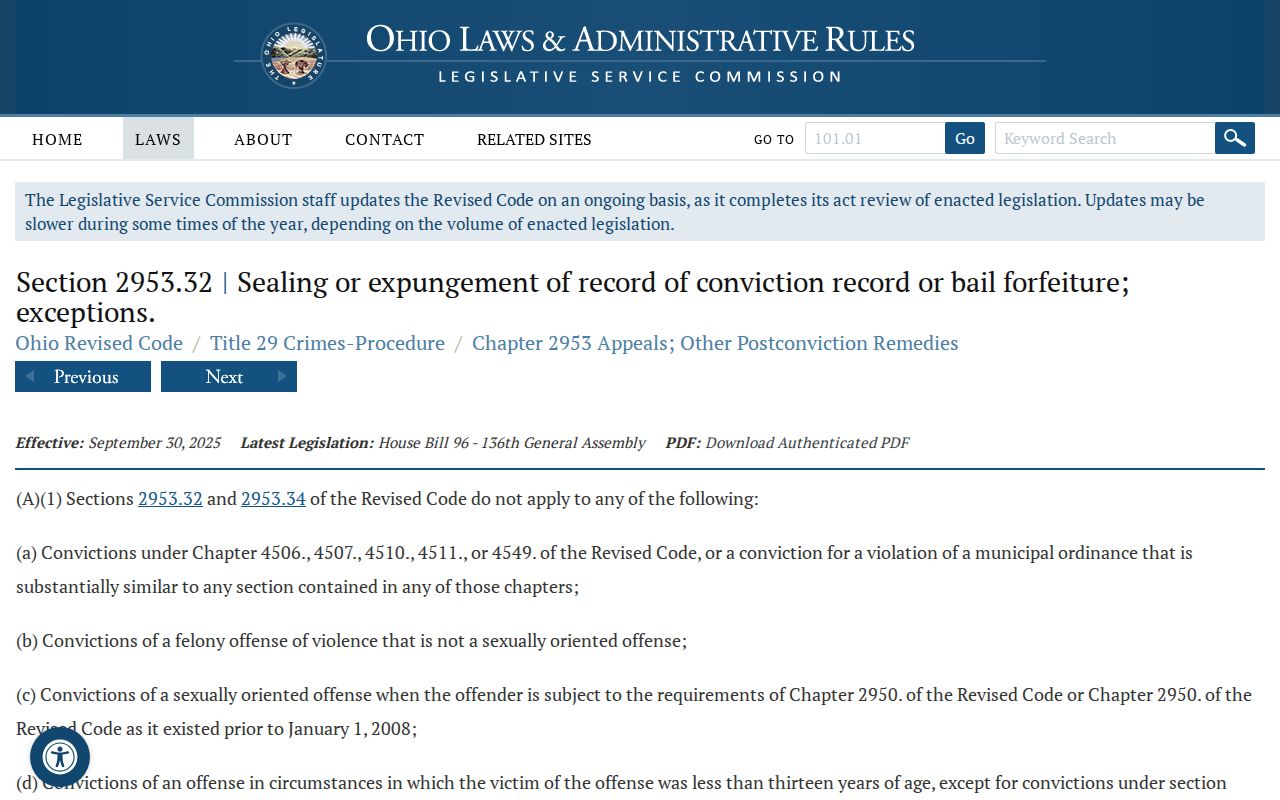
R.C. 2953.32 governs much criminal-record sealing and expungement, including eligibility limits and application timing.
Ohio's sealing and expungement statute is also the source for the assigned Greene County criminal docket image. That statute spells out exceptions and timing. It sets a $50 statutory filing charge, and local costs may add more. Confirm current requirements with the sentencing court before any filing.
For a criminal docket that stays public, the clerk can walk you through copy and inspection routes. A certified copy still comes from the custodian, never a portal screen.
Greene County Criminal Access Limits
CourtView blocks certain cases from internet view on purpose. Domestic-violence protection-order cases and civil stalking or sexually oriented offense protection-order cases are withheld, and juvenile files follow their own access rules. A missing result means you should ask the owning court about the lawful access path. It is not proof that no case ever existed. These limits guard restricted information at the source. They also show why a portal result can never stand in for a full inventory of every Greene County court matter.
Greene County Veterans Treatment Docket
Greene County Common Pleas General Division runs a Veterans Treatment Court. It is a voluntary specialized docket tied to the underlying case under court supervision. Participants make regular court appearances and move through four stages: orientation and compliance, stabilization, community reintegration, and maintenance or growth. Eligibility turns on court-supervision status and qualifying discharge information. It also requires a documented link between a listed condition and the offense. Admission is still a judicial call. The Greene Veterans Treatment Court program page is the source for the assigned specialty-docket image. Its official material names no separate public case-number sequence. It also names no independent searchable database for the program.
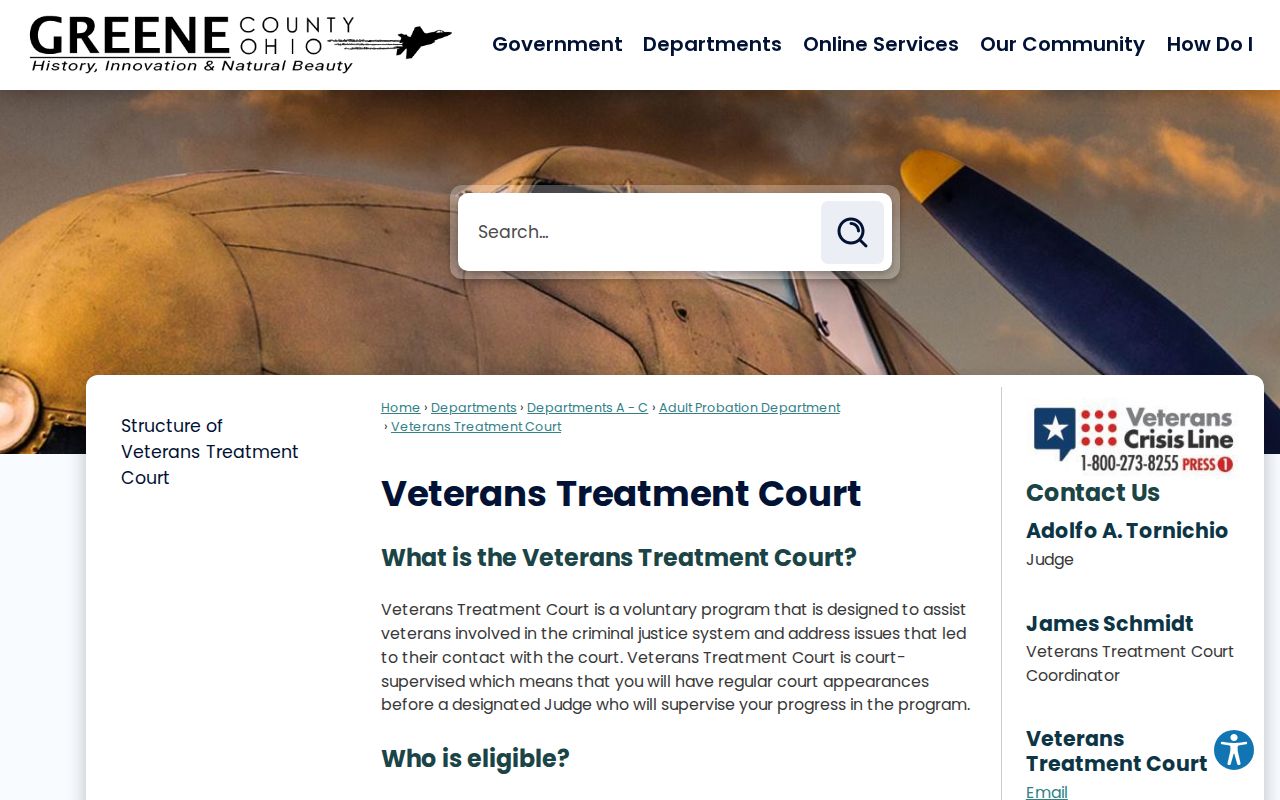
To reach a particular specialized-docket entry, follow the underlying Common Pleas case. CourtView limits and any sealing or confidentiality rule over that record still apply.